Reasonably Priced Deck Building Services: Elevate Your Home's Value
Budget-friendly deck construction services offer a pragmatic solution for homeowners aiming to increase their property's value. A carefully crafted deck not only enhances outdoor aesthetics but can also be attractive to prospective purchasers. By choosing cost-effective materials and skilled contractors, homeowners can achieve a desirable outdoor space. Still, knowing the details of deck construction and materials is important. Which elements should homeowners evaluate to ensure a valuable investment?
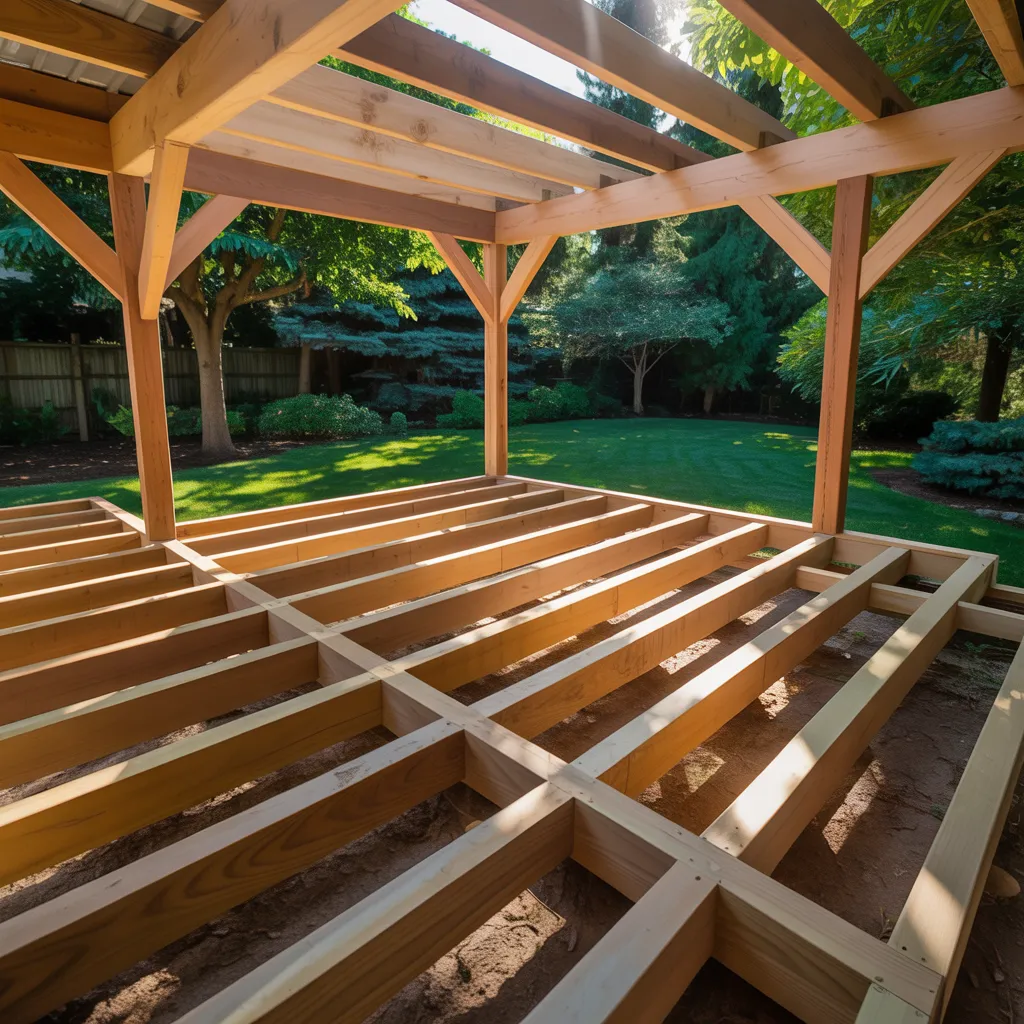
Why You Should Invest in Affordable Deck Building for Your Home
Putting money into cost-effective deck construction can significantly improve a residence's value and curb appeal, especially when property owners understand the enduring rewards. One significant reason to contemplate this investment is the increased outdoor living space it creates. A thoughtfully constructed deck acts as a natural extension of your living space, offering a flexible space for relaxation, entertainment, or dining. Additionally, decks can encourage a more active way of living by motivating residents to enjoy the outdoors.
Furthermore, affordable deck building can contribute to greater home values. A professionally built deck frequently draws in potential buyers, making homes more attractive on the market. Long-lasting quality and minimal upkeep expenses associated with premium materials contribute to the deck's practicality and appeal. Additionally, the decorative upgrade that a deck brings can create a welcoming environment, promoting a feeling of ease and satisfaction. Homeowners who invest wisely in deck building are positioned to enjoy both immediate and future benefits, elevating their day-to-day enjoyment of their home.
How a Deck Boosts Your Home's Curb Appeal
A beautifully crafted deck functions as a striking focal point that considerably elevates a home's visual appeal. The addition revitalizes outdoor spaces, encouraging potential buyers and visitors to picture leisurely gatherings or tranquil moments. A thoughtfully designed deck harmonizes with the architectural style of the house, establishing a cohesive look that improves the home's overall appeal.
Additionally, the finishes and materials used can highlight a property owner's style, enhancing the overall aesthetic appeal. Lush landscaping combined with a deck can produce a harmonious outdoor space, highlighting the property.
In areas where houses tend to look alike, a unique deck can set a property apart, highlighting personal style and careful craftsmanship. This addition not only enhances visual appeal but also reflects a deliberate investment in the property, making it more attractive in the competitive real estate market. In the end, a deck functions as both a practical area and a visual enhancement, considerably boosting curb appeal.
Deck Materials and Their Costs
When considering deck construction materials, homeowners frequently compare the benefits of wood and composite alternatives. Every material offers unique advantages and differing price points that can greatly impact overall project budgets. Examining these elements helps in making informed decisions suited to specific needs and financial considerations.
Wood Decking Choices
Wood decking selections offer homeowners with a range of options that accommodate both visual preferences and financial limitations. Frequently chosen materials encompass pressure-treated pine, celebrated for its budget-friendly nature and strength, making it a preferred selection for cost-sensitive undertakings. Cedar and redwood deliver a more authentic aesthetic and protection against deterioration, although they carry a larger price tag. Tropical hardwoods, such as ipe and mahogany, deliver remarkable strength and elegance but may significantly raise total costs. Furthermore, upkeep requirements, such as applying stain and sealant, can impact long-term costs. Ultimately, selecting the appropriate wood decking involves weighing upfront costs against expected lifespan and aesthetic value, ensuring homeowners achieve a satisfying return on their investment.
Composite Material Advantages
While many homeowners consider traditional wood options, composite materials have become increasingly popular due to their numerous benefits. These products, often made from a blend of recycled plastic components and wood fibers, offer superior durability and resistance to weathering, pests, and rot. Such longevity reduces the need for frequent repairs and replacements, making them a practical choice for homeowners who have little time for maintenance. Moreover, composite decking needs far less maintenance than wood, doing away with the necessity of regular staining or sealing. Offering a wide selection of colors and textures, composite materials can replicate the look of natural wood while delivering a more uniform appearance. All things considered, these qualities make composite decking a compelling option for those wanting to upgrade their exterior spaces without compromising on quality or visual appeal.
Cost Comparison Analysis
Knowing the expenses linked to various deck materials is crucial for homeowners considering a deck installation. A range of materials feature varying price points, impacting overall project costs. Pressure-treated wood usually falls between $15 to $25 per square foot, positioning it as a common and cost-effective selection. By comparison, luxury hardwoods, including teak or mahogany, often range from $30 to $60 per square foot, drawing in those who value both strength and beauty. Composite materials, though higher in upfront cost at $20 to $40 per square foot, provide lasting durability with little upkeep, which may balance out expenses over time. Ultimately, selecting the right material involves balancing upfront expenses with future maintenance needs, ensuring the investment aligns with the homeowner's budget and desired deck functionality.
Essential Design Features for Your Ideal Deck
When thinking about the design of an optimal deck, material selection is essential for both visual appeal and longevity. Furthermore, the structure and usability must align with the planned purpose, whether for hosting guests, unwinding, or cultivating plants. Together, these elements create a cohesive outdoor space that elevates the living space.
Material Selection Considerations
Selecting the correct material options for a deck is essential to achieving both usability and visual appeal. Homebuilders face various options, including composite, wood, and PVC materials. Natural wood provides a classic look and can be treated to last longer, but requires routine upkeep. Composite decking provide strength and resistance to the elements, making them easy to maintain while mimicking the aesthetic of wood. PVC is another alternative, noted for its resistance to fading and stains, but might be missing the organic warmth of natural wood. Furthermore, considerations such as local climate, budget constraints, and intended usage play significant roles in selecting the appropriate material. By thoughtfully considering these factors, homebuilders can ensure their deck satisfies both practical and visual needs, improving their outdoor area effectively.
Structure and Performance
Once you have selected the right building materials, the following step includes considering the arrangement and practicality of the deck. An effective layout maximizes space while ensuring ease of movement and accessibility. Homeowners should think about the deck's principal use—whether for entertaining, relaxing, or gardening—and structure the space to suit those needs. Features such as built-in seating, planters, or privacy screens will boost practicality and decorative value. Additionally, integrating flow with the home's design aesthetic and natural surroundings is essential for visual harmony. Proper zoning, such as designated areas for dining or lounging, can elevate the complete functionality. Considering factors like sun exposure and wind direction will further enhance the comfort of the outdoor space. Ultimately, thoughtful layout and functionality elevate both comfort and home value.
How to Identify Dependable Deck Builders in Your Local Area
Finding reliable deck builders in one's area can often feel like an overwhelming undertaking. To begin the search, homeowners should request suggestions from friends, family, or neighbors who have just finished comparable work. Online reviews and ratings on platforms like Yelp or Google can deliver useful perspectives on local builders' reputations.
Moreover, it is essential to verify credentials. Construction professionals need to be licensed and insured, safeguarding against possible liabilities. Asking for a portfolio of previous work enables you to gauge quality of work and stylistic alignment.
Homeowners should also obtain several estimates to gauge pricing and services offered. Transparent communication is key; contractors should be prepared to address inquiries and offer comprehensive project schedules. Finally, looking into warranties or guarantees can give homeowners greater confidence. By adhering to these guidelines, homeowners can successfully identify a reliable deck builder who meets their needs and expectations.
How to Budget for Affordable Deck Building
Budgeting for affordable deck building requires careful planning and consideration of various factors. Homeowners should start by determining their overall budget, covering not just the cost of materials but also labor, permits, and any unexpected costs that may arise. Investigating local material prices for options such as wood, composite, or vinyl can assist in making well-informed decisions that align with financial limitations.
Moreover, it's crucial to carefully consider design aspects and key features. A simple design tends to be more economical than elaborate features. Property owners should also look into special offers or seasonal promotions from suppliers, which can lead to significant savings.
In the end, collecting a number of bids from reliable decking professionals can help determine market rates and assist in choosing the ideal professional. By reviewing these various aspects, homeowners can create a sensible budget that allows for a high-quality deck while controlling overall expenses.
How Adding a Deck Impacts Your Real Estate Value
Installing a deck can significantly boost a home's market value, often generating a return on investment that appeals to potential buyers. Real estate experts often observe that properties featuring decks tend to sell faster and at greater values compared to comparable homes lacking outdoor areas. A well-constructed deck offers extra living area, allowing homeowners to enjoy gatherings, barbecues, or quiet evenings outdoors, which can be notably desirable in residential communities focused on families.
Additionally, decks are able to serve as a focal point in backyard design, turning an ordinary space into a desirable retreat. Homebuyers often perceive a deck as a sign of a well-maintained home, further enhancing its marketability. Local tastes also factor into the equation; in hotter regions, a deck can be a major selling point. At the end of the day, investing in a deck can not only elevate a home's aesthetic appeal but also considerably contribute to its total property worth.
Key Maintenance Tips to Help Preserve the Value of Your Deck
Upkeeping a full information deck is essential for preserving its value and guaranteeing longevity. Routine inspections ought to be performed to detect any indications of deterioration, such as splintering wood or loose boards. Scrubbing the deck at least twice yearly helps clear away debris and mildew, which can lead to degradation. Utilizing a mild cleaning solution and a soft brush or power washer guarantees a thorough clean without damaging the surface.
Using a protective sealant every couple of years is crucial to defend against moisture and sun damage, thus increasing the deck's longevity. It is also important to ensure gutters remain unobstructed to avoid water buildup and to ensure effective drainage.
For wooden decks, regular sanding might be required to get rid of rough areas and maintain an appealing finish. Finally, ensuring that furniture and planters are repositioned regularly can avoid uneven discoloration and indentation marks, thereby protecting the deck's visual appeal and structural integrity.

Frequently Asked Questions
What Building Permits Are Necessary for a Deck?
Constructing a deck typically requires a construction permit, zoning approval, and possibly extra permits for electrical and plumbing installations. Local rules and requirements vary, so checking with local authorities is essential to ensure all requirements are met.
How Long Does a Typical Deck Installation Take?
A conventional deck installation typically requires anywhere from one to three weeks, based on the size, complexity, and weather conditions involved. Proper planning and permitting can influence the timeline, resulting in a more efficient and streamlined construction process.
Can I Build a Deck DIY or Hire a Professional?
Constructing a deck independently as a DIY endeavor is possible, which provides a feeling of achievement, or hire a professional for expertise and efficiency. Each choice relies on one's own capabilities, available resources, and expected goals.
What Are the Most Popular Deck Design Trends This Year?
This year, leading deck design trends include multi-level structures, incorporated seating options, sustainable materials, and bold color palettes. Additionally, outdoor illumination and smart home technology features are becoming increasingly popular, boosting both functionality and aesthetic value for property owners.
What Eco-Friendly Materials Are Available for Deck Building?
There are indeed various eco-friendly materials for deck building, including reclaimed wood, bamboo materials, and composite materials manufactured using reclaimed plastics and wood fibers. These choices lower environmental footprint while providing aesthetic appeal and long-term durability.